

Dead oak trees in Florida are a common hidden hazard: they can look upright while hollowing inside until a storm finishes the job.
If you have a dying live oak or standing dead timber near your home, this guide covers warning signs, why dead tree removal is tricky, and how to act before you need emergency tree service.
For a general checklist that applies to oaks and other yard trees—not only live oaks—see 10 signs your tree needs professional attention.
How Can You Tell If a Florida Oak Tree Is Dead or Dying?
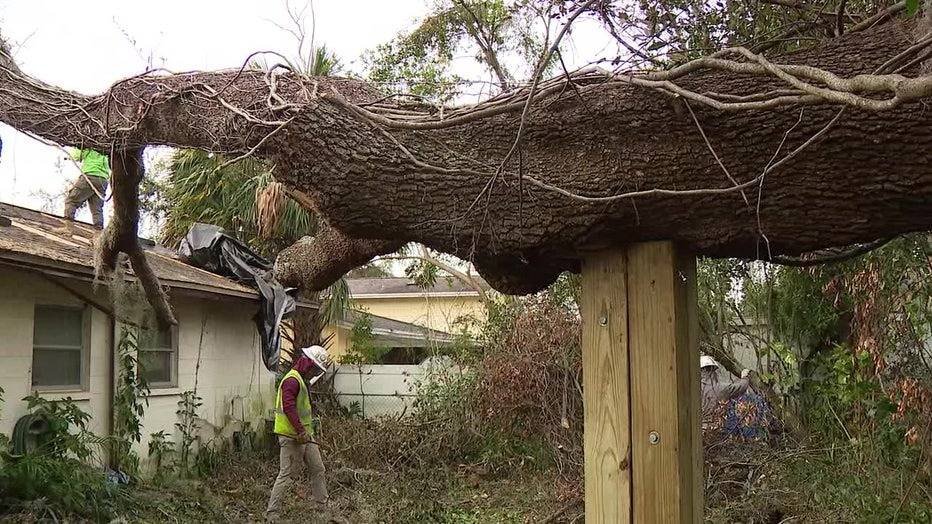
Watch for:
- Bare branches or no leaves during the growing season
- Bark sloughing off the trunk
- Large dead or brittle limbs
- Hollow or punky wood inside the trunk
- Mushrooms or conks at the base
Partially dead oak trees are still dangerous: the living side does not cancel the weight of dead limbs overhead.
Why Are Dead Oaks Especially Dangerous?
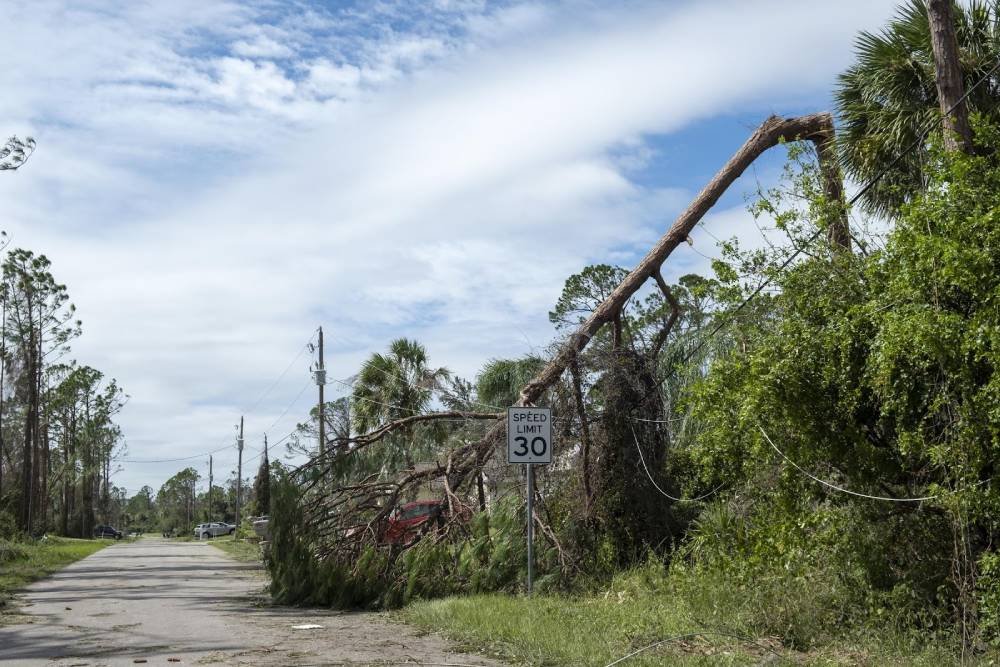
A single mature limb can weigh hundreds or thousands of pounds. When it lets go, it accelerates fast.
Dead wood also brittles: it snaps under wind instead of bending.
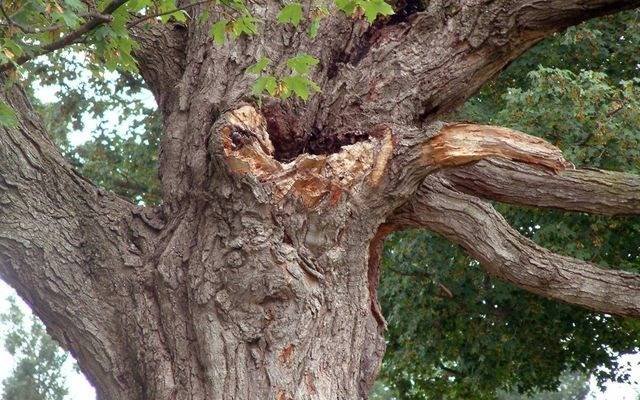
Risks include:
- Impact damage to roofs and vehicles
- Whole-tree failure in high winds
- Harm to anyone underneath
Florida’s thunderstorm and hurricane seasons make hazard tree assessment urgent, not optional.
What Kills Oak Trees in Florida?
Common causes:
- Root injury from construction or grade changes
- Fungal rot and heartwood decay (stressed wood also attracts borers and other oak pests)
- Lightning
- Drought stress
- Past hurricane damage
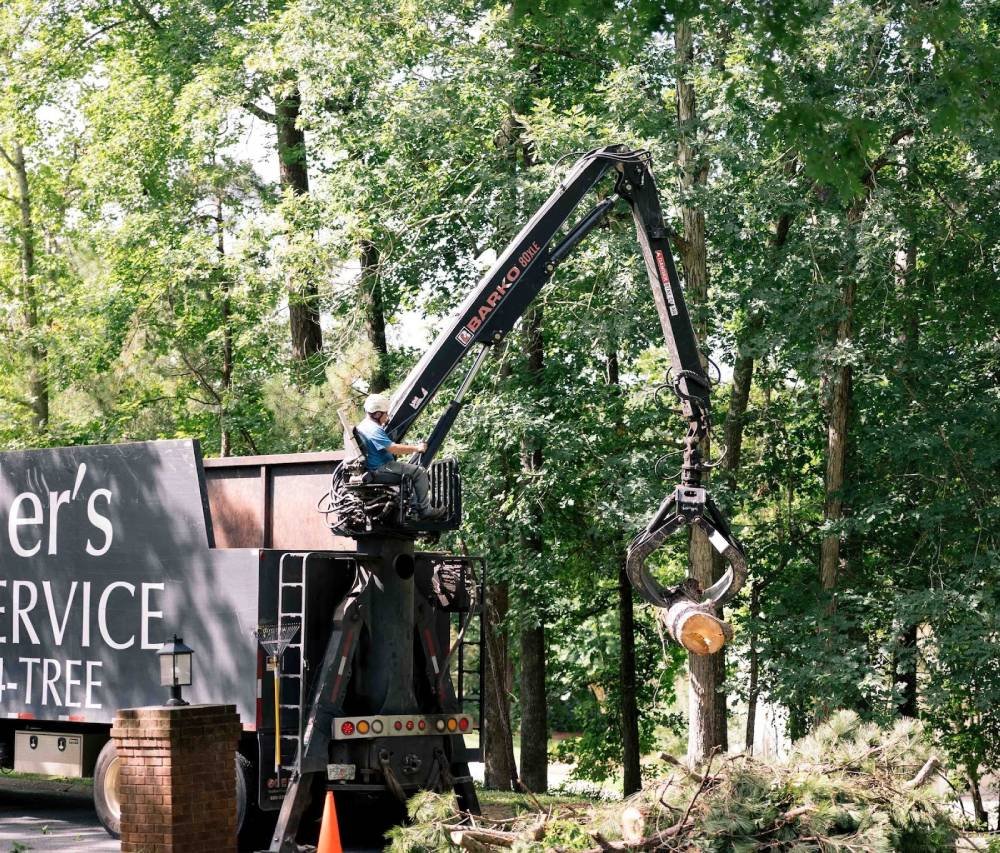
Once decay advances, professional large tree removal with sectional cuts and rigging is often the only safe path.
Why Is Removing a Dead Oak Harder Than a Healthy Tree?
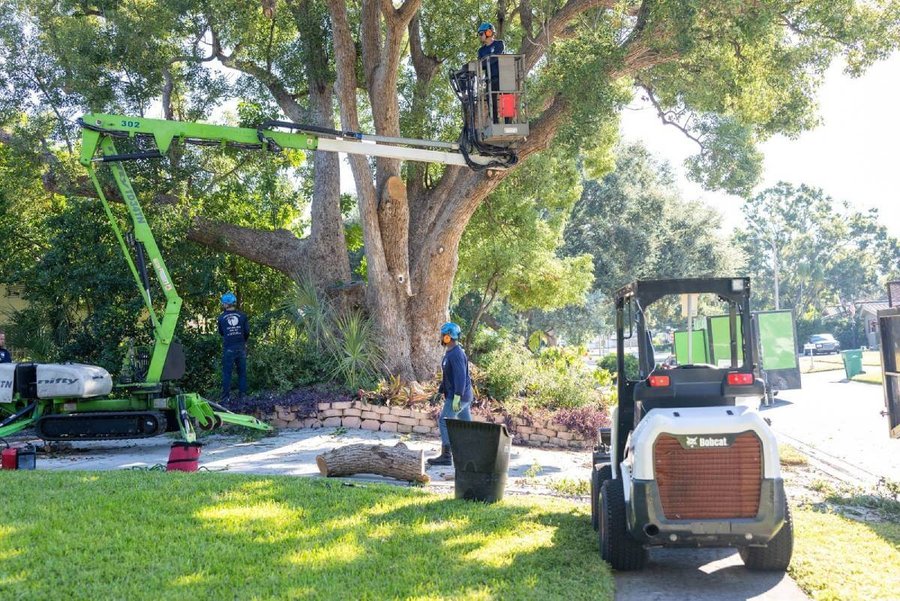
Dead limbs can break while being cut or lowered. Crews must plan every cut, often with cranes or advanced rigging, to protect your roof, fences, and utility lines. That complexity shows up in Florida tree removal pricing—but it beats structural or legal fallout from a failed DIY cut.
When Should Dead Oak Removal Be Treated as Urgent?
Prioritize fast action if:
- The tree leans toward a building
- Limbs are already dropping
- The trunk is split or cracked
- The tree is near power lines
- Recent storms have added lean or root damage
Planned removal is usually cheaper than the same tree after it lands on a car—see affordable scheduling tips.
Does Homeowners Insurance Cover Dead Oak Removal?
Policies differ. Payment is more likely when:
- A tree damages a covered structure
- A tree blocks required access
- A storm creates a covered peril and documented hazard
Many carriers deny claims when a clearly dead tree finally fails from long-term neglect. Document concerns early with photos and arborist notes when possible.
Bottom Line
Dead oak tree hazards do not announce themselves on a schedule. In Florida, wind and rain will test weak trees.
If you see decline, schedule a professional evaluation and use insured, experienced tree removal for work near structures—your goal is to remove the tree once, safely, with paperwork that holds up to scrutiny. After the tree is down, decide whether you need stump grinding to reclaim the lawn or planting bed.
Frequently asked questions
Quick answers about this topic. See the article above for full context.
Look for no leaves during the growing season, peeling bark, large dead branches, fungal growth at the base, or hollow and soft wood. Partial dieback still leaves heavy limbs that can fail without warning.
Related Articles
Continue reading with these related posts
Common Pests on Florida Palms and Oaks (and What to Do)
A practical guide to pests and common problems on Florida palms and live oaks—early signs, what they mean, prevention, and when to bring in a certified arborist.

How Hurricanes Affect Trees in Miami, Tampa, and Orlando
How hurricanes damage Florida trees in Miami, Tampa, and Orlando—wind, floods, salt, regional differences, post-storm checks, prep, and when removal is safest.

10 Signs Your Tree Needs Professional Attention
Ten warning signs Florida homeowners should watch for—from root failure to borers—and how to inspect safely, when to call a pro, and how this ties to removal and cost.